Looking Back on 2025

2025 was a productive year of theatre as well as novel writing (or more accurately, editing!).

OCEANS APART

The year started out with a bang. I worked with the amazing Colin Archibald, directing his wonderful play ‘Oceans Apart’ for the Blue Room’s Summer Nights season.
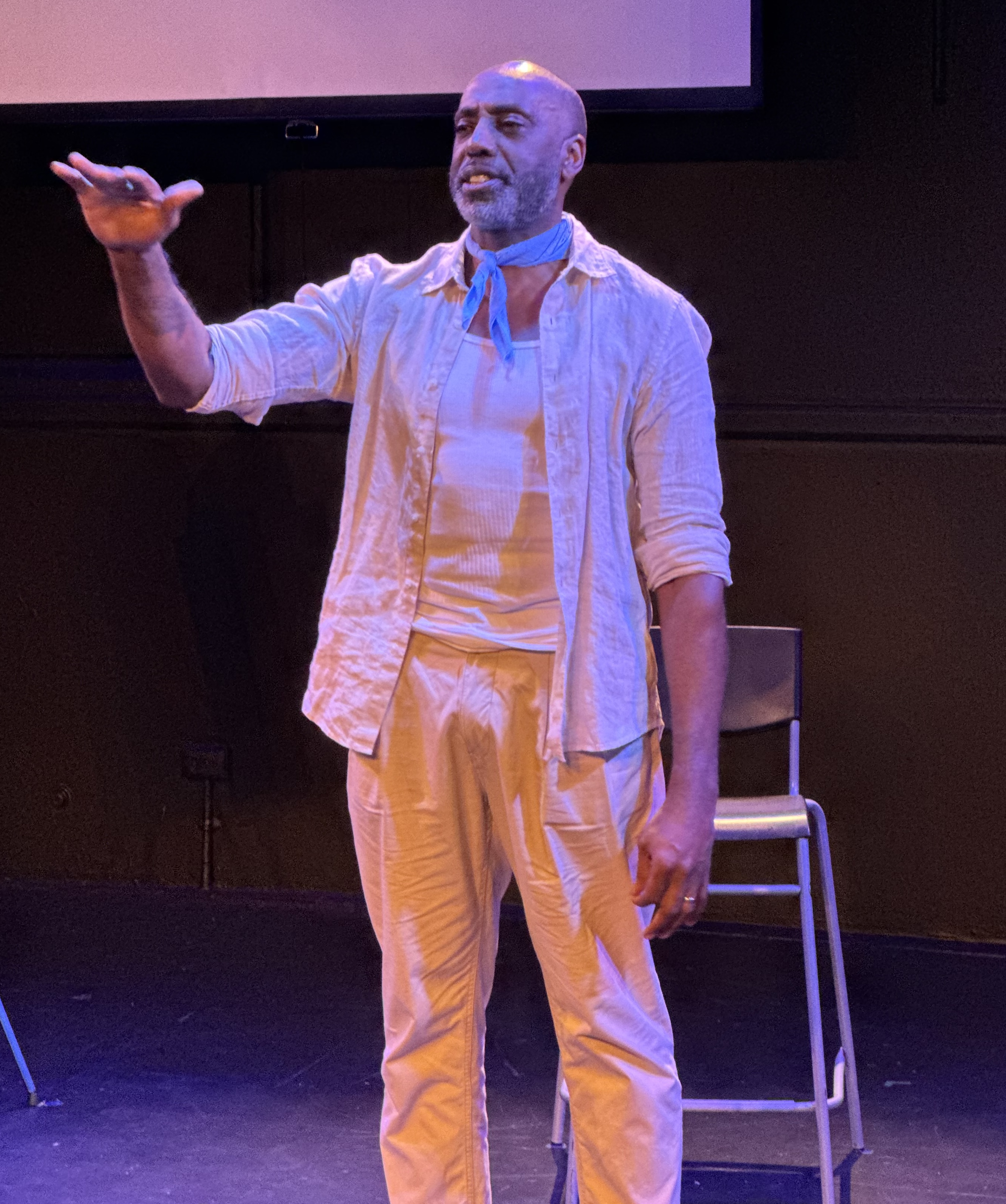
image: Colin Archibald performing his story of migration and identity.

This play was a joy to be part of, with Colin’s evocative writing and honest story-telling.
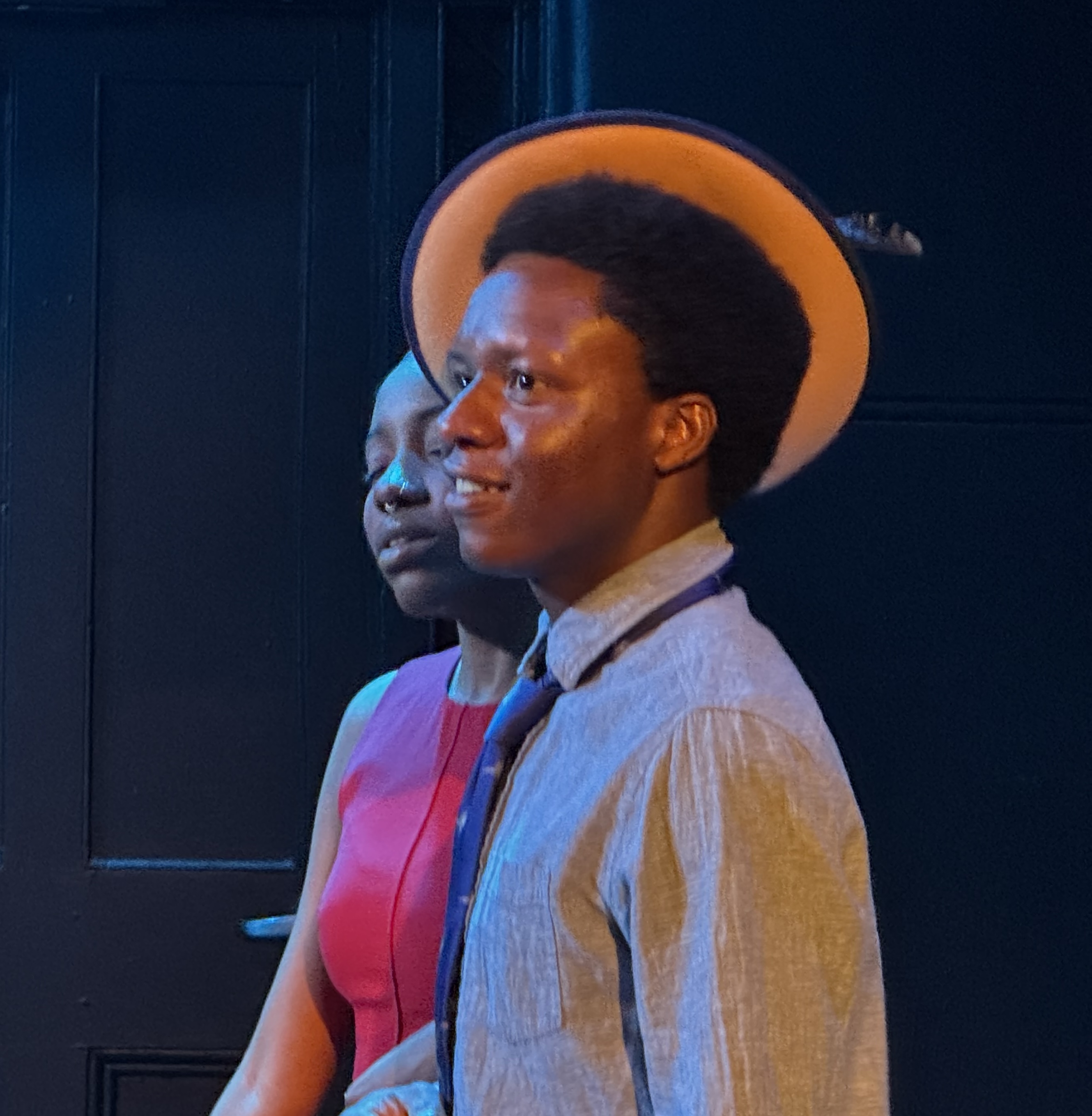
image: Ayuba SOQS plays Colin’s father, arriving in England from Jamaica as a young man.

The cast were fantastic emerging actors who brought intensity and passion to their performances.
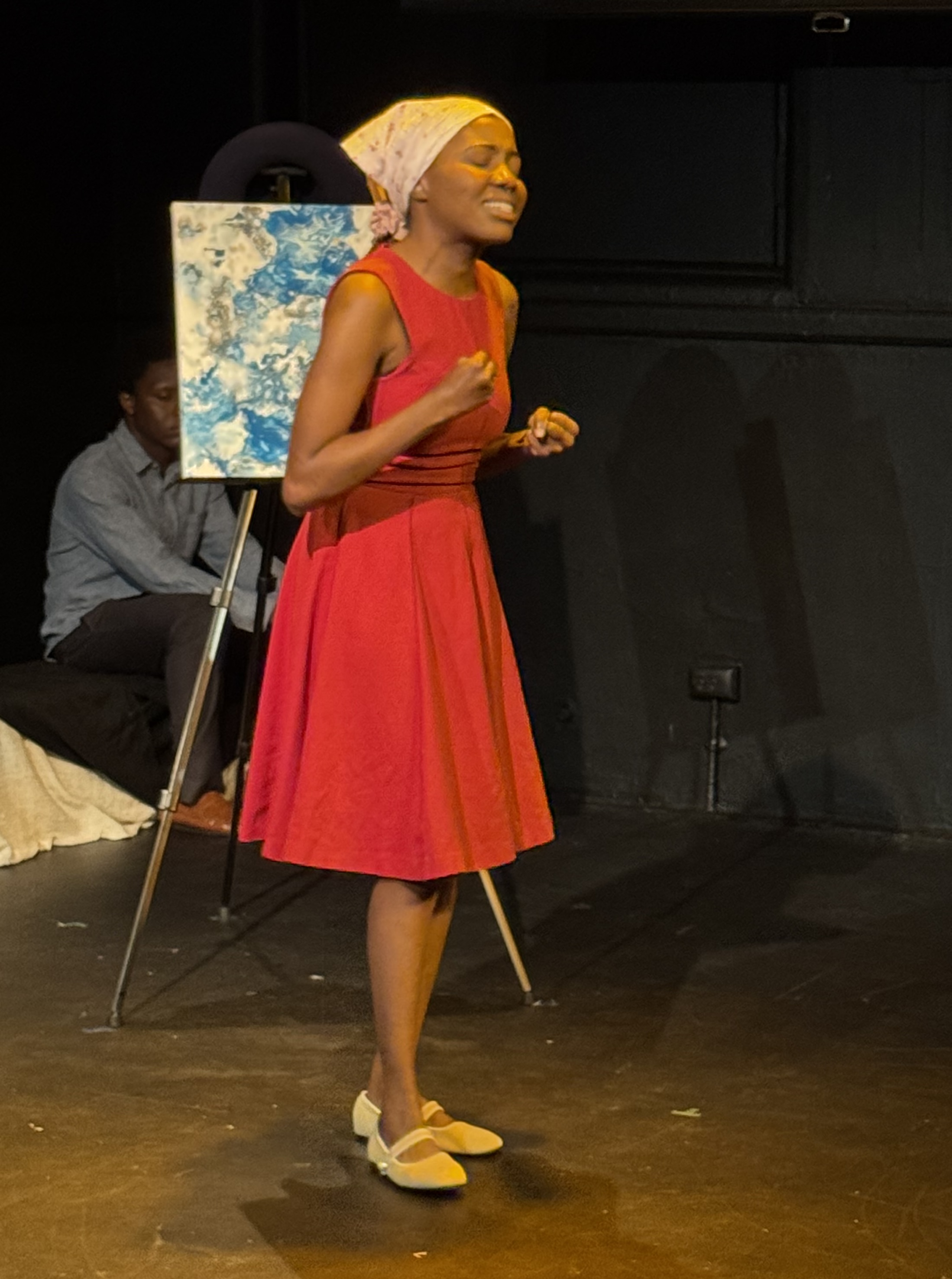
image: Vuma Phiri gives a heartfelt performance of her poetry as part of this lyrical play.

Each night was SOLD OUT! And there was a Q & A following the last night at the Centre for Stories. Such a talented cast and writer. I hope we work together again soon.

BRUISED

Soon after ‘Oceans Apart’ I was straight into casting, producing and rehearsing my own play ‘Bruised’ was presented as part of the Blue Room’s Main Stage Season in July 2025.
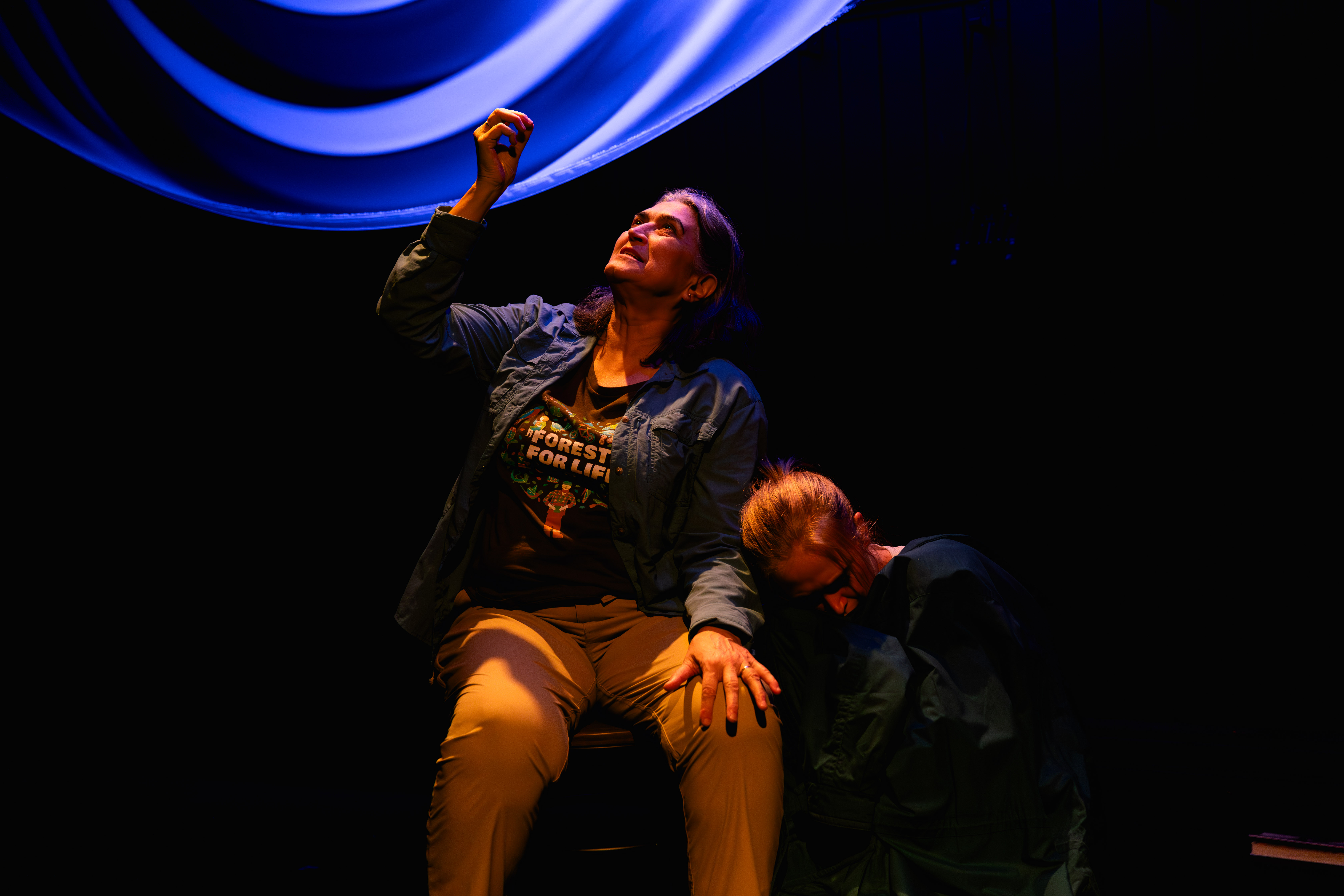
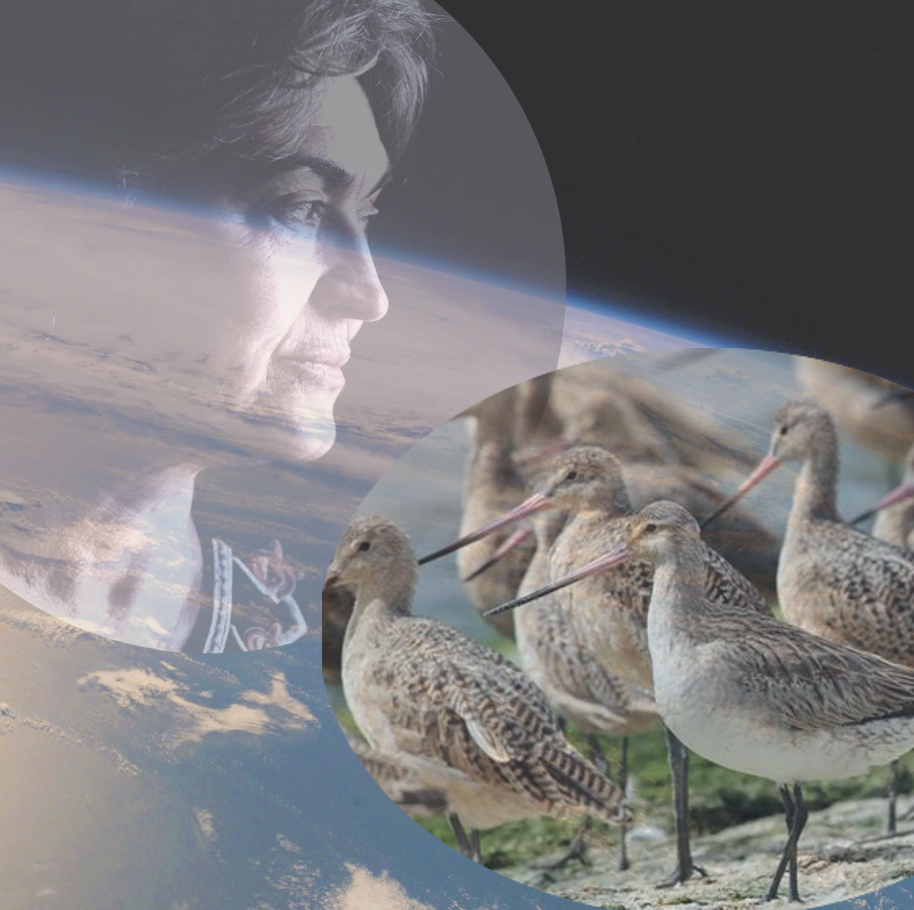
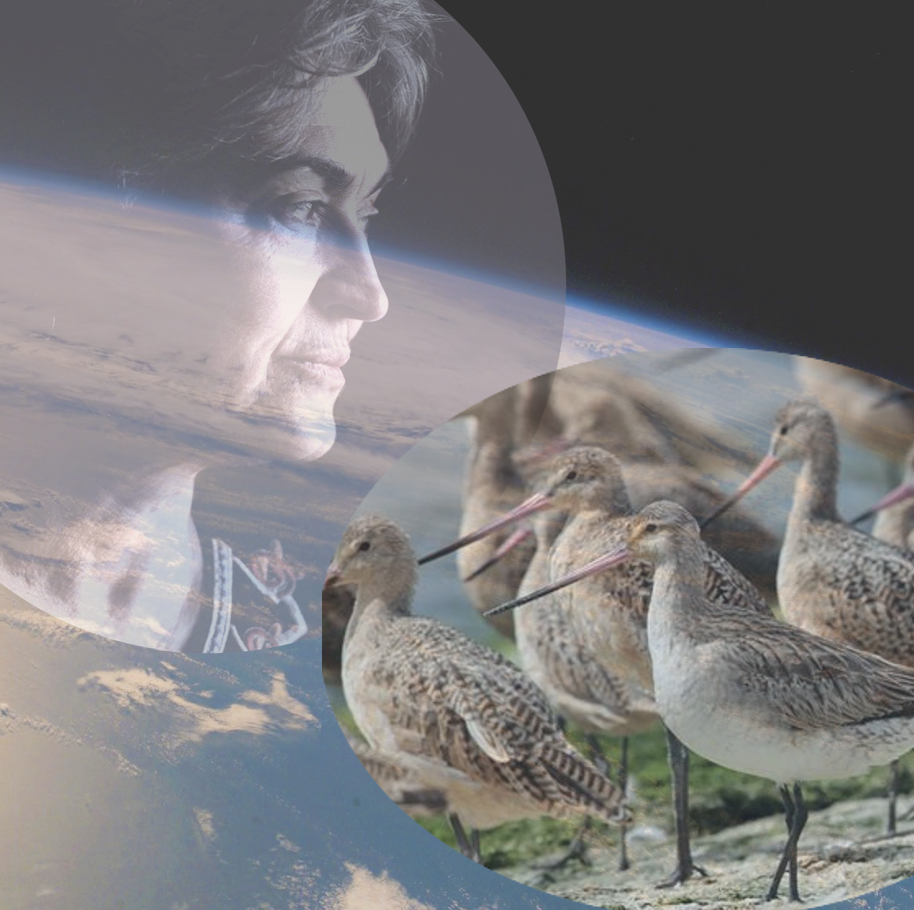
’Bruised’ draws audiences into an intimate dinner shared by three women—a former astronaut, a birdwatcher, and a migrant. As their stories unfold, they reveal the invisible threads that connect us all to a world in constant flux. From the patterns of migratory birds to the forces of the oceans, from the uncertainties that lie ahead to the quiet strength of human survival, their conversation touches on the forces that shape our lives and our futures. Through immersive storytelling and emotional insight, ‘Bruised’ explores how we adapt to change and where we find hope. It’s a celebration of resilience, wisdom, and the power of personal connection in an uncertain world.

Our first review came from Holly Ferguson in 6000 Magazine. She said, “Vivienne’s writing balances poetry and realism well… the show did prompt me to reflect on my own concerns about our climate emergency. Perhaps my view has been too siloed. BRUISED is the reminder I needed that we are all connected, and our strength lies in holding space for each other’s fears, hopes, and truths.”

Several more positive reviews followed. Paul Meek in Xpress Magazine said, “Written by award-winning playwright Vivienne Glance, it was an urgent and pressing examination of current and near-future climate concerns that was at times almost suffocating in its intensity…. an important piece that will likely only become more so as the decade continues.”

Sarah McNeil in the POST Newspapers said “Local writer and actor Vivienne Glance has always been inspired to write about big environmental issues, but she does it in intimate and personal ways that have the greatest impact. ‘Bruised’ is a perfect illustration of examining global warming and the changing planet through the eyes and experiences of three women… Through their personal stories, each one bruised by life’s challenges but tinged with hope, we recognise and relate to a changing world.”
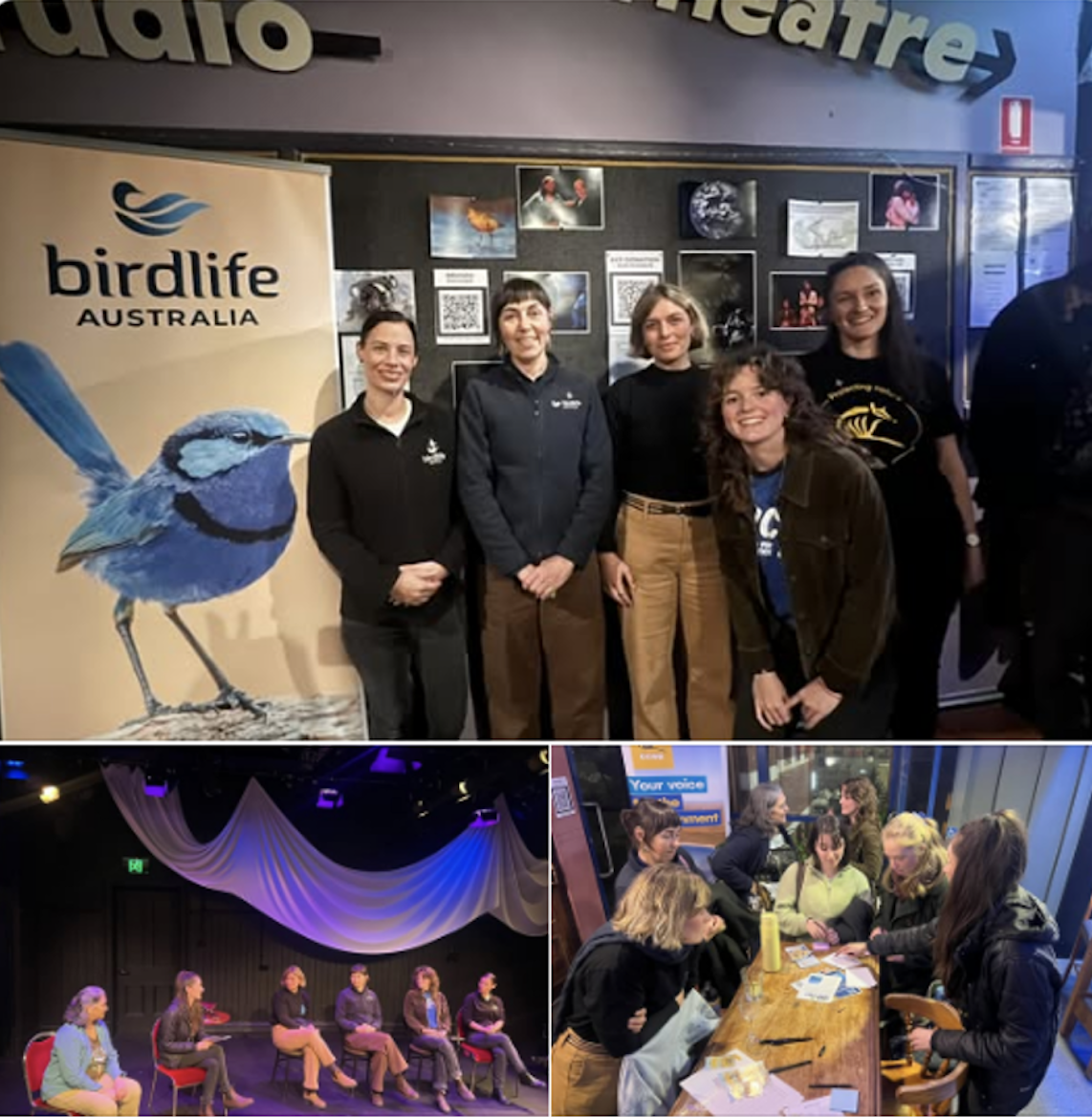
And it was really exciting to join with Birdlife WA, Australian Youth Climate Coalition and Conversation Council WA to hold a post-show community event to talk about their work and the issues raised by ‘Bruised’.

STARING AT THE SUN

I made a commitment to my self to complete another edit of my novel ‘Staring at the Sun’ by the end of 2025. And I managed to do it! 🙂 Every time I edit my writing, I find ways to make it better. I’m honing my craft through practice, the best way to do it, I believe.

‘Staring at the Sun’ revolves around biomedical researcher, Dr Daniel Fredericks, who has the perfect job and has found the love of his life. But when he is confronted by the ethics of his research, he suddenly finds life has become complicated.

Next steps are to send it off out into the world to find a publisher. Wish me well 🙂

SEMBLANCE

I also completed an edit earlier in the year on ‘Semblance’. Although this work was shortlisted in the Dorothy Hewitt Award run by University of Western Australia Publishing, I’m still looking for a publisher. An edit is always a good way to tighten prose and review structure, and I think this version is better than the one I submitted to the DHA!

I sent it to Fremantle Press and resubmitted the new edit to UWAP, both local small presses, but with no luck. Although, UWAP did say in any email “As we often only publish 1 adult fiction novel a year, we have to be very selective on the manuscripts we acquire. That being said your work is very well-written, has an engaging structure and we found the story to be immediate and warm-hearted. We wish you all the best with your manuscript and hope that it finds a well-deserved home soon.” Thanks for the positive sentiment, and fingers-crossed 2026 is the year ‘Semblance’ finds a home 🙂
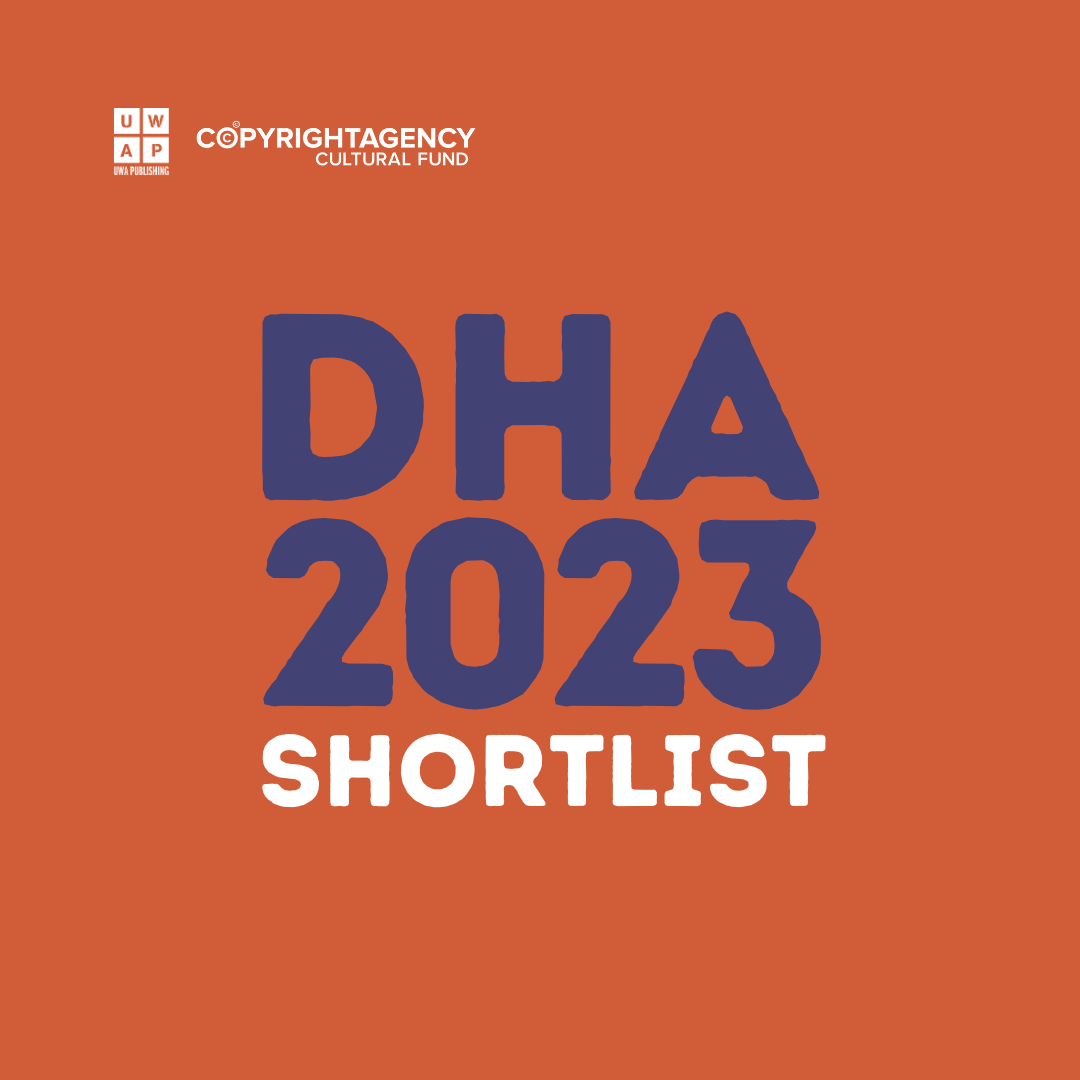
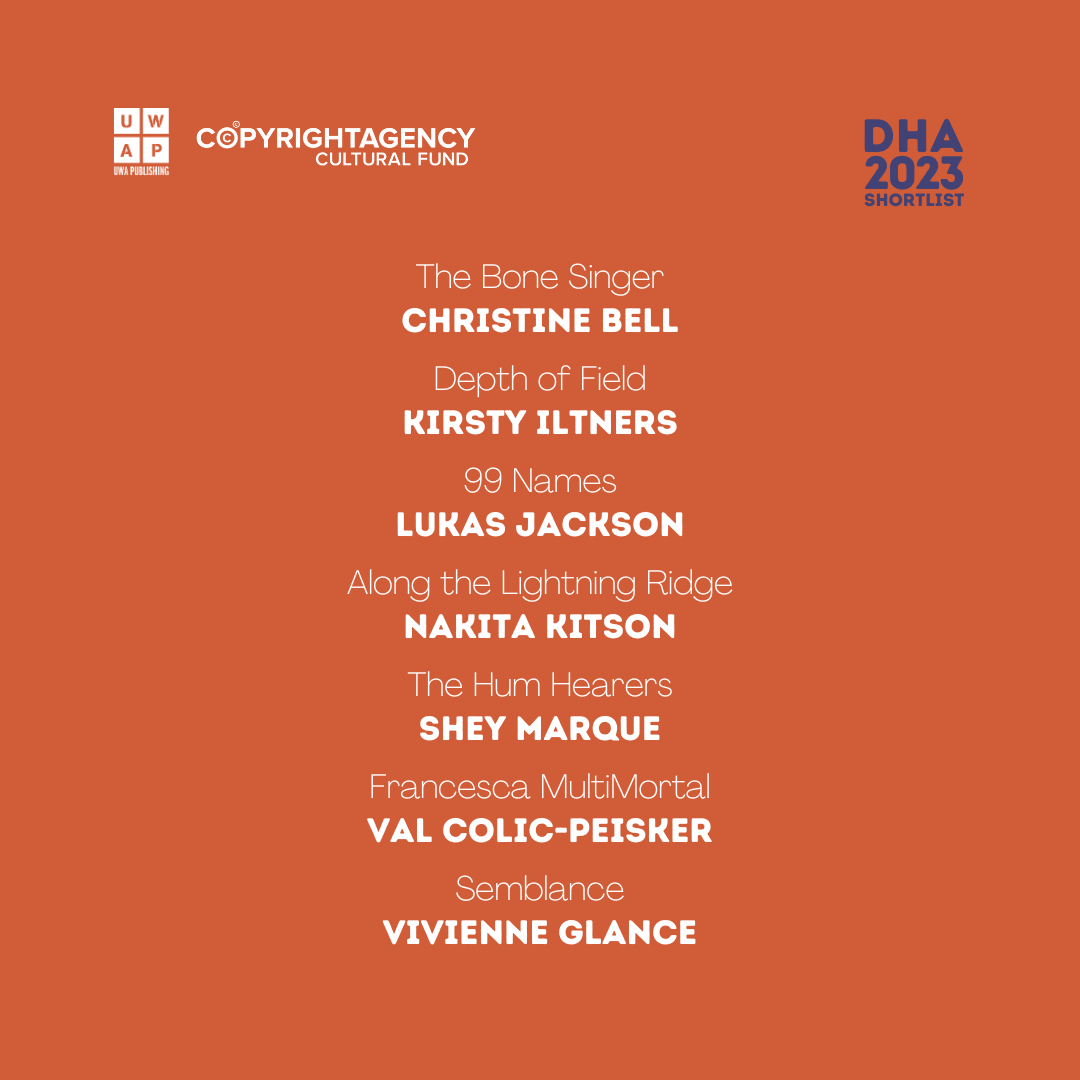
“Semblance” short-listed for the 2023 Dorothy Hewett Award

From the UWAP Media Release:

“The judging panel for the 2023 Award is Tony Hughes-d’Aeth, Astrid Edwards, Thuy On and Kate Pickard. This year the award received over 220 entries from across Australia. The judges were highly impressed, and slightly overwhelmed, by the quantity and quality of entrants to this award. Arriving at this shortlist has been a challenging and exciting task. The list represents a snapshot of the vitality of Australian writing. More information on the judges can be found on the UWA Publishing website.

In 2022 the judges announced the winner of the award to be Brendan Ritchie for his manuscript Eta Draconis which will be available on 14 May 2023. Previous winners include Josh Kemp’s Banjawarn, Kgshak Akec’s Hopeless Kingdom, Karen Wyld’s Where the Fruit Falls and the inaugural winner, Extinctions by Josephine Wilson, which went on to win the Miles Franklin Literary Award.

Dorothy Hewett (1923-2002) is considered one of Australia’s most important writers, her work challenging the norms of 20th century Australian culture. Hewett made her mark as a poet, playwright and novelist. In 1986, Hewett was made a Member of the Order of Australia (AM) for her services to literature. Hewett won the Western Australian Premier’s Poetry Award in 1994 and 1995 for her collections Peninsula and Collected Poems: 1940-1995.

The Award is open to manuscripts of fiction, narrative nonfiction or poetry and the winner will receive a cash prize of $10,000, courtesy of Copyright Agency Cultural Fund, and will be offered a publishing contract with UWA Publishing.”

And the judges’ report said this about “Semblance”:

Semblance is a big-hearted eco-novel set within the battle to save the southern forests of Western Australia. The pacing of the novel, and its sense of moment, makes you feel the urgency of a crisis that moves between its human and more-than-human actors. Semblance pulses with a fierce immediacy, dense with the sense impressions of forest life. It also unfolds as a powerful crime story, but one which asks us to fully understand the nature of crime in the Anthropocene.”

Being my first novel, well, the first I’ve completed at least, I’m really excited and honoured by this. Writing a novel is hard work. It takes a long time, and a lot of self-belief that all the effort has purpose and hopefully will connect with a reader. I know I’ve a lot more to learn about prose writing – you can never know everything – but after years of working in performance, both as an actor and as a playwright, I believe I know how to tell a story.

Someone on social media was inspired to say it sounded like it could be film! I’d love that 🙂 But I’m taking nothing for granted. There are many good writers out there, and being short-listed is not the same as being published.

My fellow writers on the shortlist all have great reports from the judges. We’ll find out who wins in June, but I want to congratulate everyone on reaching this far with their manuscripts.

Science Write Now Edition #6: Natural History and Historians

It’s great to have a poem in this new edition from Science Write Now. It’s called ‘A Certain Thought’ and is a contemplation on what it must have been like for Charles Darwin to come up with the idea of evolution.

So much of human and scientific progress comes from someone thinking in a unique way, seeing a situation, a process, a relationship differently for the first time.

But regular life goes on. There are people to love, children to care for, walks to take in the country, work to be completed.

The decision to share this new thought with the world can also cause disruption.

Darwin was most likely aware of the impact that his Theory of Natural Selection would have on the status quo, on the comforting stories people at that time told themselves about how the world was, and about humankind’s place within it.

We are currently facing a climate and biodiversity emergency and we too, must revisit the comforting stories we tell ourselves about our place in the vast ecosystem of this planet – our one and only home.

Will the new ideas someone has now, or soon will come up with, to help us to resolve this crisis be accepted? Or will we, like Darwin’s contemporaries, also struggle with the changes that must inevitably come?

Playwrights Realm in New York

I’m so excited to start the development of my play ‘Bruised’ with Playwrights Realm in New York! I couldn’t believe it at first but it must be true as it’s been announced in American Theater and Playbill. Such an honour to be part of this! On the website it says there were 1,000 entries, which is very humbling and inspires deep gratitude in me. 

Please click here to find out more about the other wonderful playwrights who are part of the 2021/2022 season. 

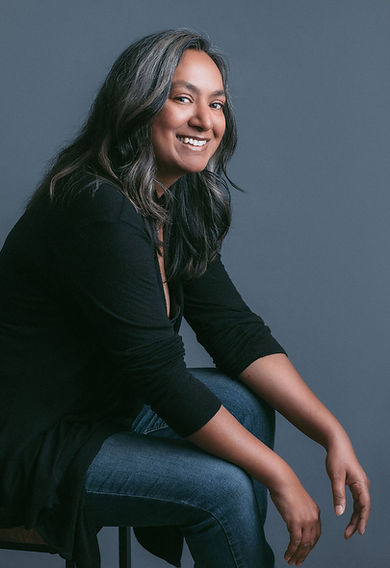
In addition, the amazing New York-based, and ‘The Drama League’ Directing Fellow, Reena Dutt will be working alongside me to develop this text further.

Reena Dutt

Through the wonders of online connections, I hope ‘Bruised’ will become a special, unique, story that resonates with many, and says that we have to keep trying. Through this story it shows how we have to continue our work so we can solve the climate crisis, to ensure everyone is part of the solution and no one is left behind, especially those who did the least to cause this situation in the first place – humans and more-than-humans. 

Theatre can show us our love for other people and for other beings, our strength, hope and resilience, how we can use our ferocious energy for justice to do good in the world. Theatre helps us imagine a better way, a fairer planet, where every living thing can be part of this intricate web of life. 

Who funds the Arts matters

As artists, our choices have consequences. Who funds our work matters. So, choose carefully. If our choice of subject matter is monitored, or we’re pressured (overtly or implicitly) to moderate criticism of certain important contemporary issues by those with $$, then we’re not making art. We’re making propaganda. We’re part of the marketing arm of a corporation, or corporate-linked charity, that sees artwashing as a weapon to further its own aims.

Even if our subject matter isn’t directly relevant to the practices or impact of a corporation or corporate-linked charity, even then, by taking their $$ we’re lending them our own social and professional capital at a cheap price, for a brief moment. The people who matter the most, our art-loving community, those who come to see our work, who experience our stories, listen to our sounds, are watching. They will not forgive those who betray our collective future for a few silver coins. We have a duty to educate ourselves about where the funding for our art originates from, and the harm it may have caused, before it’s laundered through us and our work.

(this image is: “Angelus Novus” by Paul Klee – his ‘angel of history’)

A courageous first conversation

Today Kelli McCluskey, Noemie Huttner Koros and I talked with Bec Bowman on RTR FM’s ArtBeat. Have a listen and let me know what you think.

20 minutes is too short a time to really unpack the issues of Fossil Fuel Funding in the Arts and how we transition away from this. By talking we’re not only trying to search for answers, but also we’re starting to find better questions; ones that clarify the issues and get to the heart of what we value most.

It’s essential that we’ve the right to free creative expression and to make work aligned with our values. Many of us want to tackle the important and essential issues of our time, and reassess how we create and interact with fellow arts makers, audience, and with the institutions that hold/curate our cultural heritage. So, we plan to continue the conversation with the arts sector, audience, funding bodies and anyone who values free expression and great art.

In fact, we want to see multiple conversations, actions, protests, actions, campaigns – because it’s going to take a lot of effort and passion to bring about meaningful change. We know how toxic the climate wars are in Australia, and the fear many people have of losing livelihoods and reputation by speaking out against the fossil fuel and destructive environmental behemoths that have so much money and power.

But silence never changed anything. It’ll take courage. Change is never easy when there are powerful interests vested in the status quo. But when change for the better happens it is the most important thing in life one can ever help to achieve.

With courage and hope –

let’s get this done!

Join us at Fossil Fuel Free Arts Network (FFFAN)

And that’s a wrap – now what’s next?

And that’s a wrap! And what a great week it was 🙂 Thanks to everyone involved and to everyone who came to a show or supported BRINK Festival

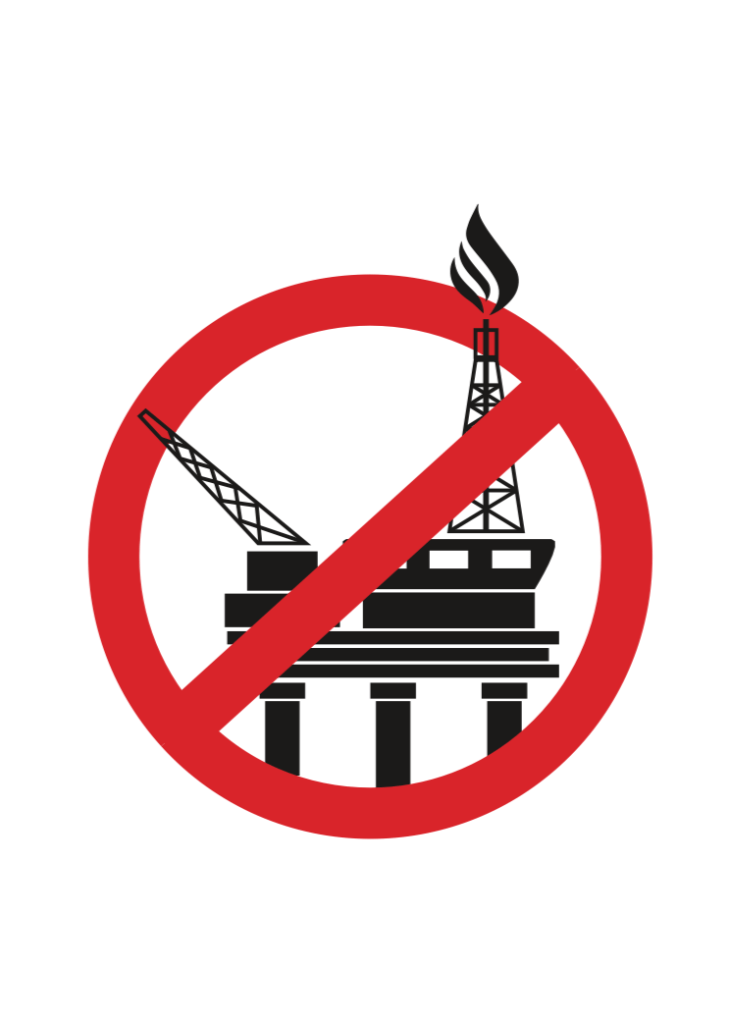
Even though the performances have ended, the conversations and questions continue. How can we divest the Arts in WA from fossil fuel sponsorship and transition to more ethical and sustainable support? What is the role of arts and cultural workers in this? The role of government; of the audience; and of the corporations who profit from being in WA?

It’s a complex conversation that involves ethics, economics, social justice and accountability. I’ve had a crack as trying to scope this in a recent opinion piece I wrote for ArtsHub

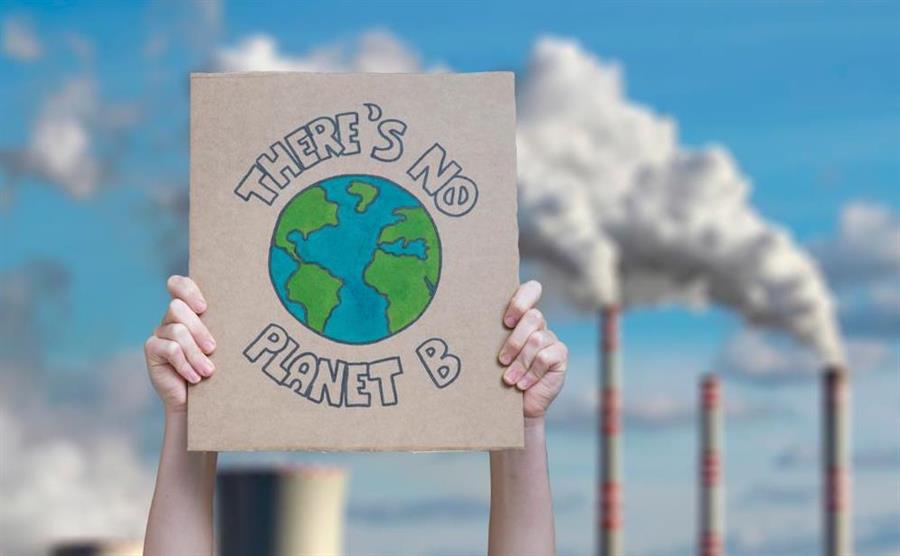
image Shutterstock

There’s a lot more to be said, and I hope many more people will contribute their thoughts, ideas, hopes and inspiration to help us solve this.

Let’s keep talking…

It’s nearly here: BRINK Festival!!!

We’ve been planning this since September last year and soon it will be a reality (COVID allowing – fingers-crossed). I was recently asked how I felt about the Festival. As a creative person, I see my task in life as making ideas into tangible events or objects. A story becomes the printed word, or a play; a deep emotional dive becomes a poem; I sometimes even try to re-vision the world through photos and painting. 

Visit www.brink.org.au for more details.

Bringing together a festival feels different. It’s a collaboration with artists across many artforms to support their visions, their creativity. In some ways this is harder than creating myself, as I feel we must do everything we can to help them realise their shows. 

But the best part of BRINK is that we know each and every one of the artists involved supports our vision: one where we imagine a future where the arts are funded ethically, one that respects and supports diverse communities and cultures, that puts the artist at the centre.

Now more than ever, BRINK is needed. Artists often have little to no choice about working for organisations funded by fossil fuel profits. To reject this as a source of income takes immense moral courage with the possible outcome of having to abandon  the profession altogether. 

BRINK can’t possibly provide all WA artists with the chance to perform. We can’t solve the problem, but we can attempt to highlight the issue and join in the conversation. Because we are not alone in thinking the arts are compromised. For many years, artists around the world have been questioning the corporate capture of the Arts by fossil fuel giants through sponsorship. If you think about it, it’s hard to say no to such a windfall when government support is so paltry. Compared to the billions of dollars in subsidies the fossil fuel giants receive from taxpayers for their multi-billion-dollar enterprises, the arts receive mere crumbs. 

When you consider that the arts employ vastly more people than the fossil fuel industry, it begs the question ‘Why are our priorities for sharing the public purse so skewed?’

COVID shone a light on the essential nature of artistic and creative work through film, TV shows, books, music and left many longing for the shared experience of theatre, opera, dance and live music. And when it was revealed that thousands of artists had been left out of COVID relief funding, it showed how precarious our profession is. 

Now, it could be argued that the sponsorship is what is enabling so many to be involved in the arts. Yes, of course, any money will increase the production and the reception of the arts. But we must think about where this extra money comes from and how it aligns with our values. 

To support our fossil fuel free festival please DONATE to BRINK through the Australian Cultural Fund

or join us at our BRINK Festival Fundraiser on 21 March 2021

BRINK Festival 25-29 March in Fremantle WA

BRINK website FACEBOOK INSTAGRAM TWITTER

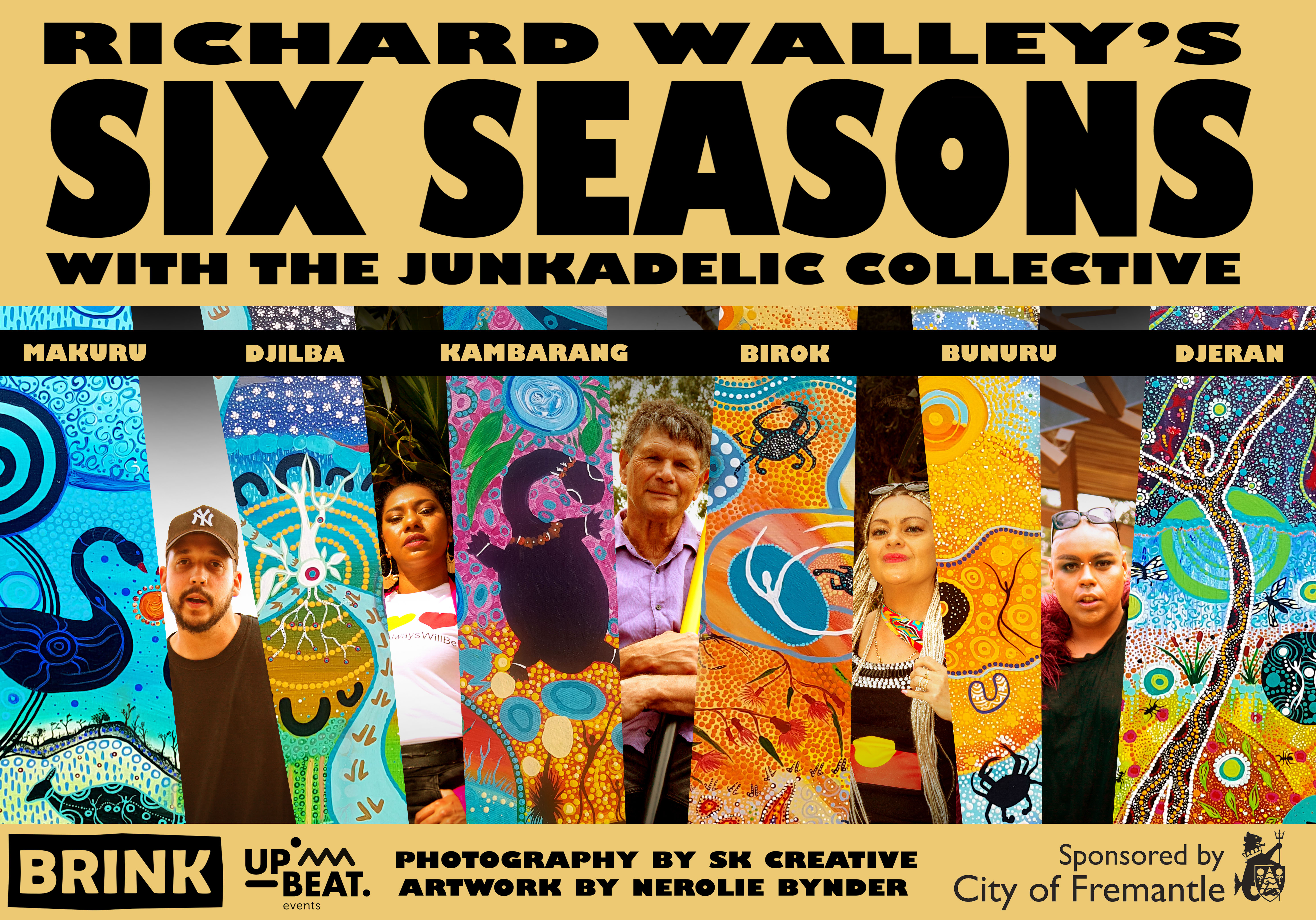
Richard Walley’s SIX SEASONS with Junkadelic Collective 28 March at Freo Social

Mum’s Voice

My first creative non-fiction piece was published online last year in the Centre for Stories ‘Journal’. I don’t usually write so directly about myself and my life experiences, preferring to universalise them, or at least, attempt to! However, 2020 was a difficult year for me personally. It began with the rapid decline of my mother’s health and her passing, the funeral and the house clearing, sibling tensions exacerbated by grief, and then the pandemic…

As with any death, a reckoning always follows; a processing of what life is now that this person is no longer there. I wrote my piece too soon to answer all the questions that are still sitting quietly at the back of my mind; too soon to answer the big questions that have challenged philosophers forever. I will most likely never really understand the question, let alone the answer. As I continue to try to process how life has changed for me, some insights will find their way into my other writing, the poems, prose and plays that I can’t help but keep creating.

This piece is a small glimpse into this time in my life. Please take from it what you will, but I hope you enjoy the read.

Mum’s Voice is online here

Bruised – now available from Australian Plays!

I wrote this play as a cry for action! As an antidote to the inaction caused by despair… It’s now available on Australian Plays. I hope you like it. Here’s a brief outline of the play –

Climate change and extreme weather are the new reality in our lives. 3 women, a Former Astronaut, a Birdwatcher, and a Migrant, are each bruised by their lives. Over dinner, the great cycles of the world are revealed: ocean circulations, migratory birds and people. Through monologues, vignettes and the female gaze, current and future challenges are revealed. But in the end, there’s hope. There must be hope.

Watch out for updates on productions 🙂